Breakfast
Look for a combination that offers protein, fiber and enough energy for the morning rather than relying on a sweet drink alone.
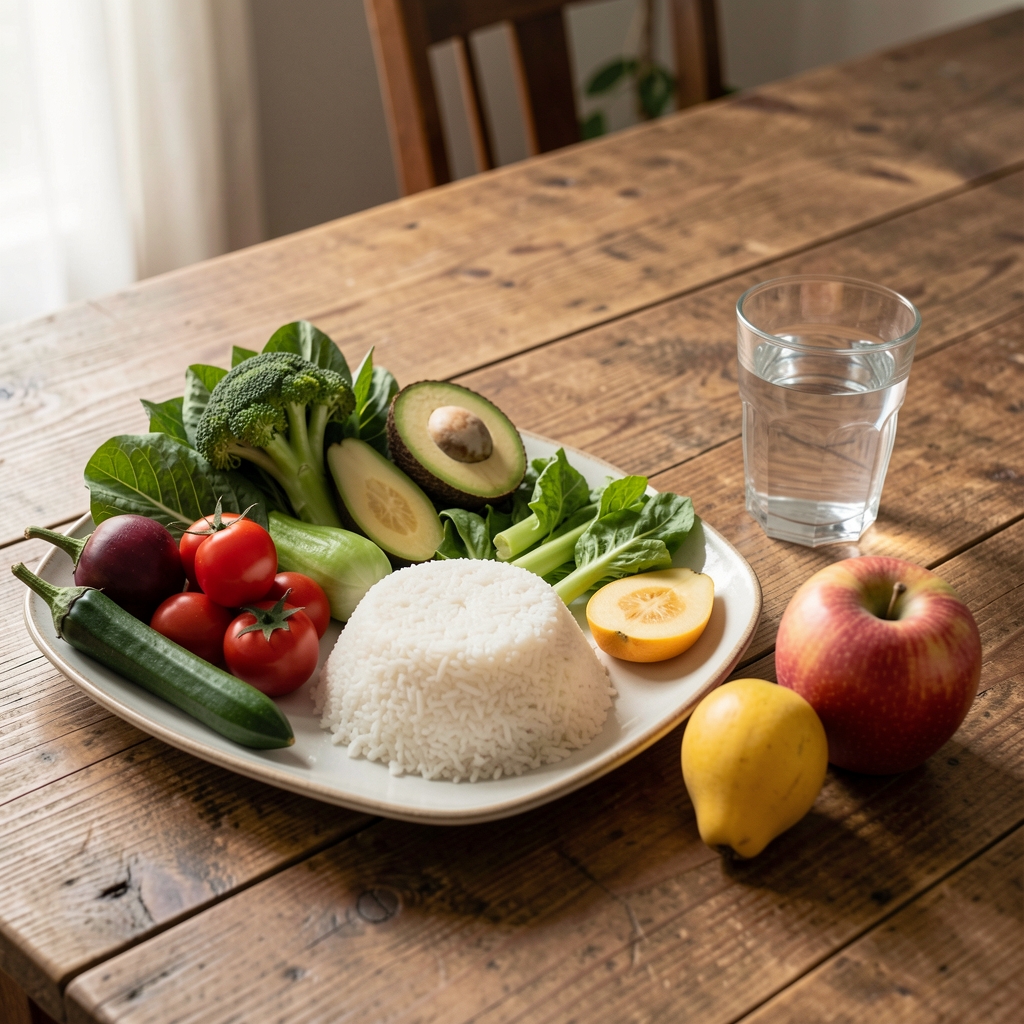
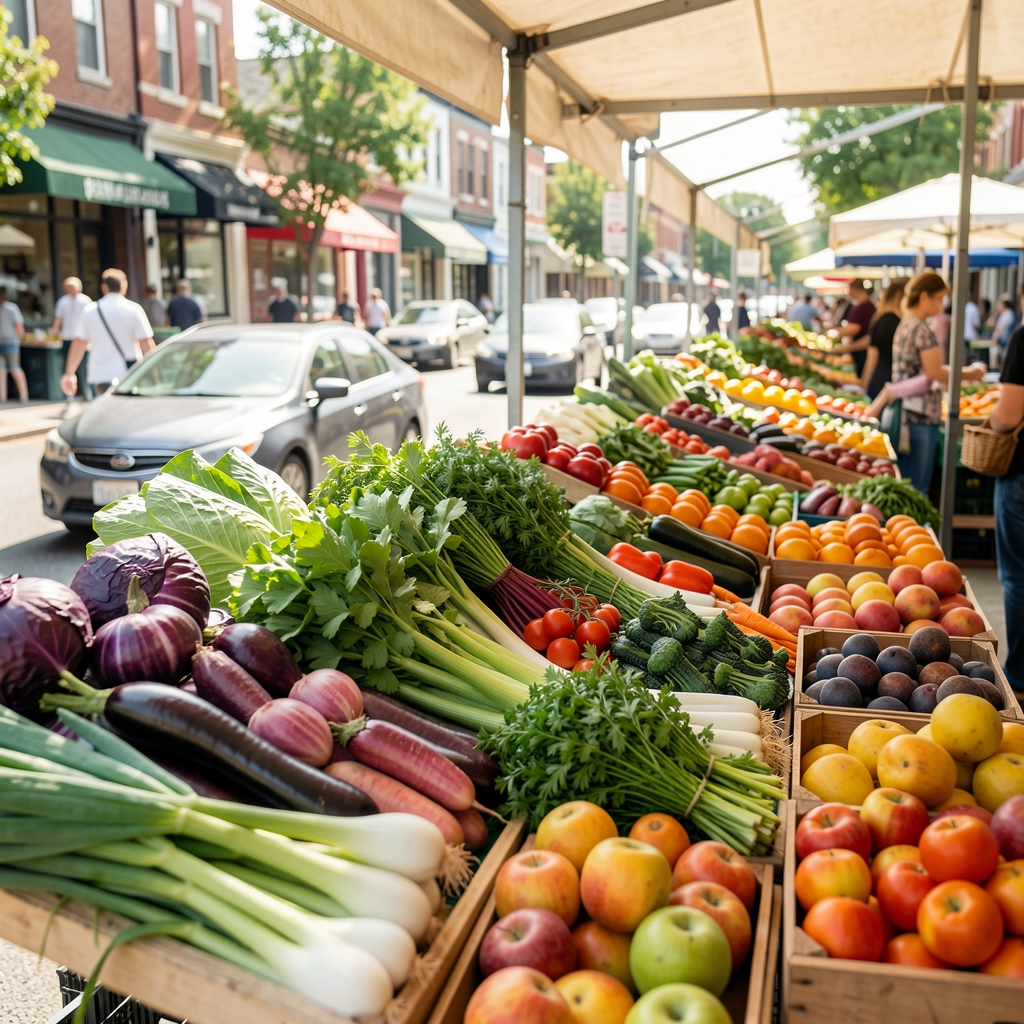
A practical editorial view of balanced meals, Indonesian ingredients, hydration and the habits around eating.
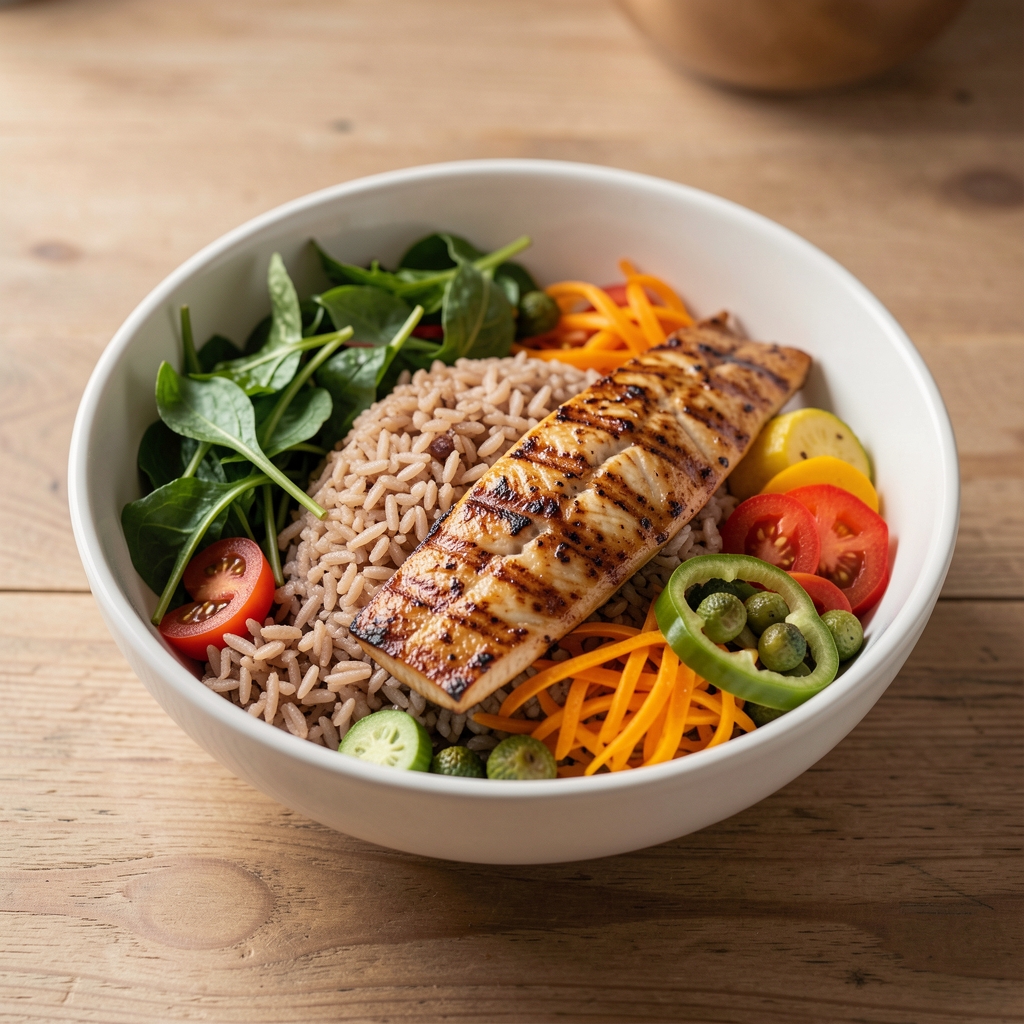
Nutrition is easier to sustain when it begins with meals you recognize and enjoy. A useful plate can include a source of protein, vegetables or fruit, a satisfying carbohydrate and a source of fat, with portions shaped by appetite, activity, culture and medical needs.
| Element | Everyday examples | Question to consider |
|---|---|---|
| Protein | Eggs, fish, tofu, tempeh, chicken, beans | Does this meal keep me satisfied? |
| Plants | Leafy greens, papaya, banana, tomatoes, herbs | What color and texture can I add? |
| Carbohydrate | Rice, oats, potatoes, corn, whole-grain bread | Will this fuel the next few hours? |
| Fluids | Water, unsweetened tea, broth-rich meals | Am I responding to thirst regularly? |
Keeping washed produce, cooked grains and a few dependable proteins available can make balanced eating more likely on busy days. The goal is not a perfect kitchen. It is a short path between hunger and a meal that feels steady.
People with diabetes, kidney disease, food allergies or medication-related restrictions should use individualized advice from a clinician or dietitian.
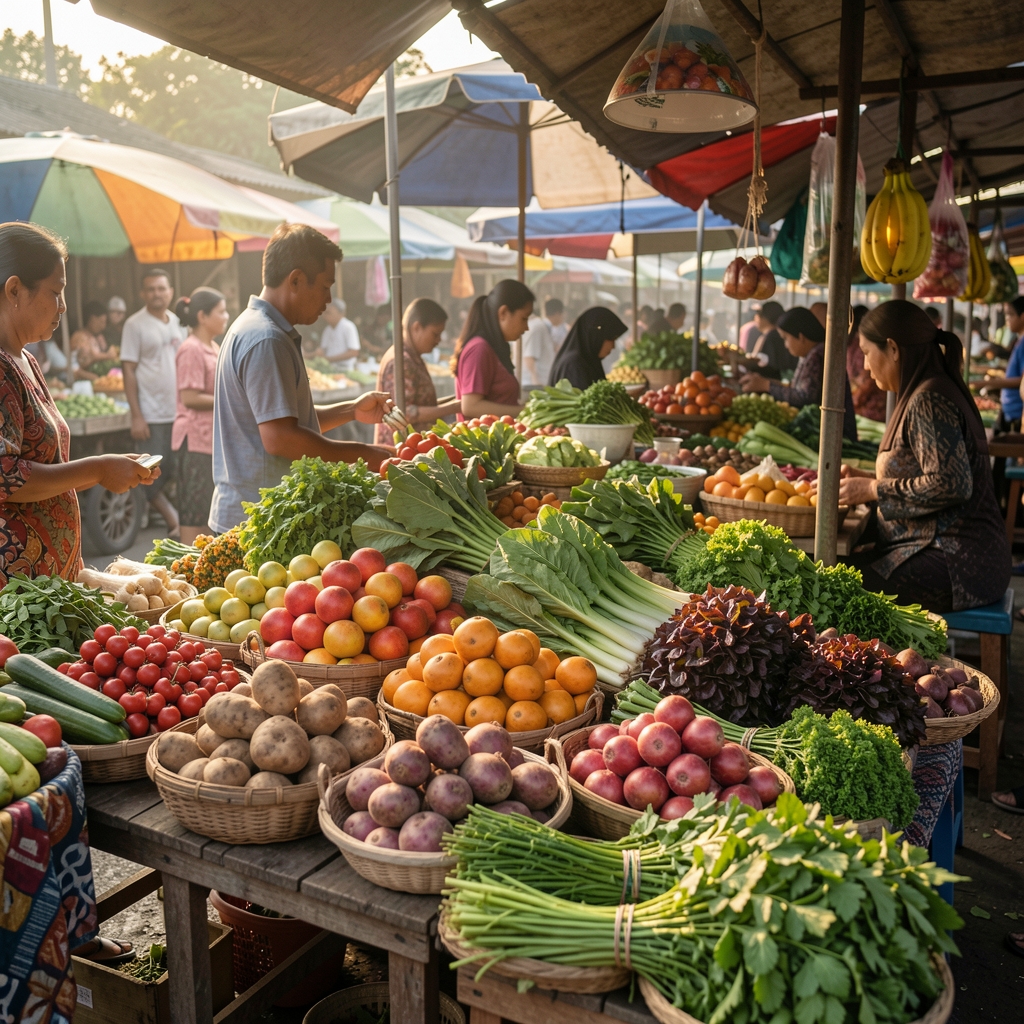
Look for a combination that offers protein, fiber and enough energy for the morning rather than relying on a sweet drink alone.
Build from what is available: rice, vegetables and a protein can be a more useful starting point than a restrictive rule.
Notice how timing, portions and stress affect comfort and sleep, then adjust one variable at a time.